Difference Between Blackview Bl7000 and Framework Laptop 13 Diy Edition 2025 Explained
This article examines the key differences between the Blackview Bl7000 and the Framework Laptop 13 DIY Edition 2025. Both machines target buyers who need a portable computer, but they approach design, repairability, expandability, and user experience from very different philosophies. The goal is to give prospective buyers a clear, practical guide to which laptop suits particular real-world use cases — students, professionals, repair enthusiasts, field technicians and creators — and which trade-offs are most important when deciding between ruggedness and modular customization.
Introduction: two different philosophies
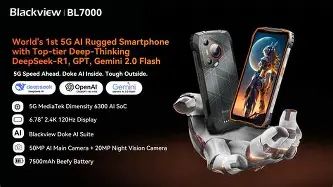
At a high level, the Blackview Bl7000 (hereafter BL7000) and the Framework Laptop 13 DIY Edition 2025 (hereafter Framework 13 DIY) represent two distinct approaches to laptop design. The BL7000 is positioned around durability, value and straightforward use, often appealing to buyers who need a resilient device for outdoor work, light media and everyday office tasks. The Framework 13 DIY is built around modularity, repairability and upgrade-first engineering: it is aimed at buyers who plan to tinker, upgrade parts over time, or who prioritize longevity and open repairability over the newest sealed-system design.
Understanding which philosophy aligns with a buyer’s priorities — ruggedness versus modular longevity — is the first step in choosing between these machines.
Detailed product analysis
Design and construction
Blackview's approach with the BL7000 typically emphasizes reinforced chassis elements, spill-resistant keyboards, and tougher exterior materials intended to survive drops, vibrations and dusty environments. This makes it appealing to field workers, tradespeople, and anyone who needs a laptop that tolerates non-office conditions.
The Framework 13 DIY follows a minimalist, serviceable aesthetic. Its chassis is designed to be taken apart easily: panels, battery, storage and ports are intended to be accessible without specialized tools. Aluminum and machined parts are common, with an emphasis on keeping screws and connectors standardized so components can be replaced or upgraded over time.
Performance and thermals
Performance expectations depend on configuration. The BL7000 is typically offered in configurations that prioritize efficient processors and integrated graphics suitable for office productivity, web browsing, light content editing and some streaming. Its thermal design tends to be conservative — traded toward reliability in varied ambient conditions rather than sustained high-frequency performance.
The Framework 13 DIY Edition 2025 targets a broader performance range depending on the chosen CPU and internal components. Because the Framework platform is modular, buyers can select higher-performance CPUs and faster NVMe storage options when available. Thermal management on the Framework balances compactness with upgradability; thermals are generally adequate for day-to-day development, content creation on a modest scale, and heavier multitasking, but exact performance will depend on the chosen CPU and cooling profile.
Upgradeability and repairability
This is the area where the two laptops diverge most dramatically. The BL7000 typically offers limited user-replaceable components — often RAM soldered or with a single slot, and storage sometimes replaceable but behind manufacturer seals. Repairability focuses on robustness rather than modular upgrades: components are protected but not necessarily intended for frequent replacements by the end user.
The Framework 13 DIY Edition 2025 is purpose-built for upgrades and repairs. Key components — RAM, storage, battery, wireless card, display assembly, and even ports via modular expansion cards — are user-replaceable. The DIY model often ships with a barebones kit allowing users to install their choice of CPU, memory and storage. This makes the Framework attractive to people who plan to keep a laptop for many years and upgrade incrementally.
Connectivity and ports
Blackview devices typically include practical port selections for field work: multiple USB-A ports, at least one USB-C power/comms port, HDMI or full-size video out on some SKUs, and sometimes legacy ports favored in industrial settings. The emphasis is on utility and compatibility with a range of peripherals without relying on dongles.
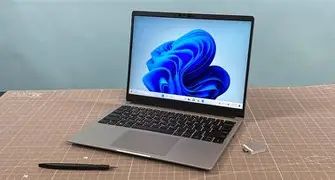
Framework’s modular expansion system lets buyers configure which ports they want and swap them later. The Framework 13 DIY commonly supports a selection of USB-C/Thunderbolt ports, HDMI/DisplayPort cards, and legacy options that can be swapped in if a use case requires them. This flexibility is a major selling point for buyers who need evolving port requirements.
Display and keyboard
The BL7000’s display choices often prioritize outdoor legibility and durability. Panels may not be the highest color-accuracy class but are tuned for visibility in mixed lighting conditions. Keyboards on rugged-oriented designs are usually tactile and spill-resistant, aimed at comfortable typing in variable environments.
Find top-rated Laptops & Computers products at great prices.
View Offers →Framework’s display and keyboard focus more on user preference and replaceability. The company typically offers high-quality IPS or OLED panels depending on configuration, with attention to color accuracy for creators. Their keyboards aim for a balanced typing experience and are replaceable, which appeals to users who care about long-term maintenance and upgrade options.
Battery life and charging
Blackview often emphasizes batteries tuned for longevity under mixed workloads and for field use, where outlets may be scarce. Batteries may be non-user-swappable in some models, but many rugged designs include larger capacity units to improve runtime.
Framework 13 DIY Edition places importance on both battery accessibility and the ability to replace batteries easily. Charging options can include USB-C PD and, in some configurations, multiple charging profiles. Because batteries are user-replaceable, users can carry spares or replace degraded batteries themselves over the product lifecycle.
Software and ecosystem
The BL7000 typically ships with a mainstream OS and vendor-supplied drivers that prioritize stability across a variety of peripherals. Blackview's software support tends to focus on ensuring hardware functions reliably in real-world conditions rather than integrating deep customization tools.
Framework is notably friendly to multiple operating systems, including mainstream Linux distributions. The company supports open-source tooling and documentation for repairs and upgrades, and its ecosystem is built around community contributions — replacements, parts, and upgrades are first-class concerns.
Target audience and real-world use cases
BL7000 use cases:- Field technicians who need a machine that survives drops, dust and moisture. <…
- Power users and developers who want to upgrade CPUs, storage and memory over time.
- Repair and sustainability-minded buyers who prefer a long-lived device with easy repairs.
- Professionals who need specific ports or specialized configurations and value the ability to customize later.
- Pros: Durable construction for harsh environments; usually solid battery life out of the box; practical port selection for legacy peripherals; typically lower purchase price relative to modular competitors.
- Cons: Limited upgradeability and repairability; potentially lower display color accuracy and limited high-end performance options; fewer community-supported parts and upgrades.
- Pros: Exceptional repairability and modularity; user-replaceable components and customizable ports; strong community and documentation for upgrades; friendly to multiple OS choices and long-term ownership.
- Cons: Initial cost can be higher depending on chosen components; less emphasis on rugged exterior protection out of the box; for non-technical buyers, the DIY aspect may be unnecessary or intimidating.
- Identify primary use environment (outdoor/field vs. indoor/office).
- Decide whether long-term upgradeability and DIY repair are priorities.
- List required ports and whether the buyer prefers built-in ports or modular swap options.
- Consider OS preference — is Linux or an alternate OS important?
- Compare battery capacity and real-world runtime estimates for chosen workflows (video calls, coding, video editing).
- Check warranty and service options, and whether the vendor provides spare parts or extended support.
Framework 13 DIY use cases:
Pros & cons
Blackview BL7000
Framework Laptop 13 DIY Edition 2025
Side-by-side comparison
| Category | Blackview BL7000 | Framework Laptop 13 DIY Edition 2025 |
|---|---|---|
| Design philosophy | Rugged, value-oriented; built to endure harsh conditions | Modular, repair-first; built for upgradeability and longevity |
| Target users | Field workers, students, small businesses requiring durability | Power users, repair-enthusiasts, developers, sustainability-focused buyers |
| Upgradeability | Limited (varies by configuration) | Extensive (user-replaceable RAM, storage, battery, ports) |
| Repairability | Moderate to low; service-oriented repairs | High; designed for DIY repairs with documentation |
| Ports | Practical, often includes legacy ports | Modular port cards; customizable selection |
| Durability | High for drop/dust/moisture resistance | Good but not ruggedized by default |
| Performance | Sufficient for productivity and light content tasks | Scalable depending on chosen components; broader performance envelope |
| Battery | Optimized for long runtime in mixed conditions | User-replaceable; capacity depends on configuration |
| Software support | Vendor-supported drivers; mainstream OSes | Excellent Linux compatibility; community resources for various OSes |
| Price positioning | Generally value-focused | Premium to mid-premium, depending on configuration |
Buying guide: which one should a buyer choose?
Choosing between the BL7000 and the Framework 13 DIY Edition 2025 comes down to three core questions: where will the laptop be used, how long does the buyer intend to keep it, and how comfortable is the buyer with upgrades and repairs?
1. Use environment: office vs. field
Buy the BL7000 if the laptop will regularly be used outdoors, on job sites, or in environments where drops, dust, spills and vibration are likely. Its construction and port choices are oriented to remain functional under such conditions without special care.
Buy the Framework 13 DIY if the laptop will be used mainly in controlled environments (office, home, co-working) and the buyer values the ability to modify the machine over time rather than outright ruggedness.
2. Long-term ownership and upgrade plans
If the buyer wants to keep a single laptop for many years and prefers to upgrade components incrementally (for example, adding RAM or faster storage later), the Framework 13 DIY is the clear choice. Its repairability and modular parts make it easier and cheaper to sustain performance over a multi-year ownership period.
Discover deals on Laptops & Computers — updated daily.
Shop Amazon →If the buyer expects to replace the laptop every few years or prioritizes a lower entry price and fewer moving parts, the BL7000 may be more appropriate.
3. Technical comfort and support
Framework’s DIY model is ideal for buyers who are comfortable opening a chassis, following documentation and swapping parts. The community around Framework also helps with troubleshooting and finding spare parts.
The BL7000 is better suited to buyers who prefer a device that “just works” without the need to tinker, or who prefer to rely on manufacturer or service-center repairs rather than DIY solutions.
4. Port needs and peripherals
If legacy ports (full-size HDMI, multiple USB-A, Ethernet) matter without adapters, check how the BL7000 configures those ports. If a buyer anticipates changing port needs over time (for instance, moving from HDMI to a different connector or adding specific I/O), Framework’s modular port system allows swapping cards to match evolving peripherals.
5. Software and OS considerations
Buyers committed to Linux or alternate OSes will find Framework more accommodating, thanks to strong community support and manufacturer documentation. The BL7000 generally supports mainstream OSes well, but the level of community-focused multi-OS support is typically lower than Framework’s.
Real-world scenarios and recommendations
Scenario: a consultant who travels frequently and works in cafes and on client sites. Priorities: weight, battery life, and a good keyboard. Recommendation: consider the Framework 13 DIY if the consultant values long-term upgrades and repairs and prefers a higher-quality display and keyboard; consider BL7000 if ruggedness and a lower up-front cost are more important than modularity.
Scenario: a field service technician who often works in dusty warehouses and needs a laptop that survives bumps and occasional spills. Priorities: durability, straightforward compatibility with legacy diagnostic tools. Recommendation: BL7000 is likely the better match due to rugged-focused design and practical port selection.
Scenario: a developer or creator who wants to upgrade storage and memory over time, prefers Linux, and cares about sustainability. Priorities: repairability, modular ports, long-term value. Recommendation: Framework 13 DIY Edition 2025 is well-suited because it supports incremental upgrades and strong community documentation.
Checklist for prospective buyers
Conclusion
The Blackview BL7000 and the Framework Laptop 13 DIY Edition 2025 answer different buyer needs. The BL7000 focuses on ruggedness, practicality and delivering reliable performance where environmental durability and a lower entry price are important. The Framework 13 DIY Edition is designed for longevity, repairability and customization: it appeals to buyers who want a laptop that can evolve with their needs and who value the ability to replace or upgrade parts easily.
Choosing between them requires prioritizing either immediate environmental resilience and simplicity (BL7000) or long-term modularity, repairability and ecosystem flexibility (Framework 13 DIY). Evaluating the real-world scenarios above and matching them against personal priorities will guide most buyers to the machine that best aligns with how they work, travel and maintain their technology over time.